Community innovation in real estate drives sustainable urban growth through shared spaces, eco-friendly designs, and mixed-use developments. Professionals should foster dialogue and collaborate with local experts to create tailored spaces. Economic growth is stimulated by diverse sectors, attracting startups and creative industries. Cities like Amsterdam and Seattle showcase successful integration of residential, commercial, and green spaces. Practical steps include mixed-use zoning, public co-working hubs, smart city tech, and energy-efficient buildings.
In today’s rapidly evolving world, fostering innovation is not just an economic imperative but a catalyst for societal progress. The concept of a progressive community, centered around driving economic growth and creativity, has gained significant traction. Real estate naturally plays a pivotal role in this narrative, as it serves as the physical canvas for ideas to take root and flourish. This article delves into the intricate relationship between innovative communities and real estate, presenting strategies to harness their symbiotic connection. By exploring proven approaches, we aim to equip stakeholders with actionable insights, fostering an environment conducive to cultivating a thriving innovation economy.
Unlocking Potential: Community Innovation in Real Estate

The concept of community innovation is transforming the way we perceive economic growth, particularly in the realm of real estate. Unlocking the potential of collective creativity can drive significant advancements and create thriving, sustainable urban environments. When communities actively participate in shaping their surroundings, it fosters a unique ecosystem where ideas flourish and value is generated. This collaborative approach to development has proven successful in various cities worldwide, setting a precedent for a more inclusive and innovative future.
In real estate, community innovation involves engaging residents, local businesses, and stakeholders in the design and management of urban spaces. For instance, Amsterdam’s city-led collaboration with developers and locals resulted in innovative housing concepts like shared courtyard homes and green roofs, enhancing the quality of life while optimizing space. Similarly, in New York City, community-driven initiatives have led to the development of shared micro-parks and community gardens, revitalizing urban areas and promoting sustainable living practices. These examples demonstrate how collective input can lead to unique solutions tailored to specific neighborhood needs.
To harness this potential, real estate professionals should encourage open dialogue and collaboration. This involves hosting public forums, online consultations, and workshops to gather diverse perspectives. By embracing community insights, developers can create spaces that truly meet the desires and requirements of residents. Moreover, fostering partnerships with local artists, entrepreneurs, and environmental groups can drive innovative projects centered around unique cultural heritage, sustainable practices, or creative industries, thereby positioning real estate as a catalyst for economic and social transformation.
Building Blocks: Strategies for Fostered Economic Growth

In fostering a progressive community, economic growth is not merely about attracting large corporations; it’s about nurturing an ecosystem that supports innovation at all levels. One of the critical building blocks for this strategy lies in real estate. Cities with dynamic real estate sectors have proven to be hubs for creative industries and startups. For instance, Silicon Valley’s tech boom can be attributed, in part, to its flexible and adaptable office spaces, which encouraged risk-taking and collaboration. This concept translates into practical steps for communities aiming for economic advancement.
Real estate developers play a pivotal role by designing spaces that cater to various stages of business growth—from co-working hubs for freelancers to spacious offices for established tech firms. Moreover, integrating green spaces and recreational areas within urban landscapes not only enhances quality of life but also fosters creativity. Studies show that employees in such environments experience higher job satisfaction and productivity levels. For example, the rise of “biophilic” design principles in office architecture has been linked to improved cognitive function and reduced stress among workers, ultimately contributing to a more innovative workforce.
Community leaders should actively engage in partnerships with developers to shape urban planning decisions. Incentives for mixed-use developments that blend residential, retail, and commercial spaces can stimulate local economies. Such integrated areas encourage foot traffic, promote local businesses, and create vibrant communities. Additionally, providing tax incentives or grants for businesses adopting sustainable practices in real estate development not only benefits the environment but also positions the community as a forward-thinking innovator in the global market.
Sustainable Transformation: Innovation's Impact on Local Areas
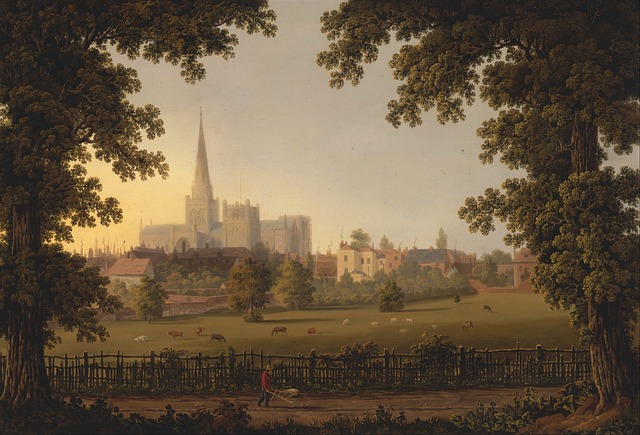
Innovation is driving a sustainable transformation across local economies, with communities that foster progressive change gaining a competitive edge. At the heart of this shift lies real estate, which no longer serves merely as a physical foundation but as a catalyst for economic growth and social well-being. Forward-thinking cities are leveraging their urban landscapes to encourage creativity, collaboration, and sustainable development—a strategy proven to attract talent, stimulate investment, and enhance quality of life.
Consider the example of Amsterdam’s innovative approach to mixed-use development. By integrating residential, commercial, and cultural spaces within vibrant neighborhoods, the city has created an environment that fosters cross-pollination of ideas. This model not only reduces urban sprawl but also strengthens local economies by nurturing entrepreneurship and supporting a diverse range of businesses. Similarly, cities like Seattle have seen significant growth in tech startups and sustainable industries due to strategic investments in green spaces and walkable, bike-friendly infrastructure. These transformations demonstrate that prioritizing real estate as an innovation hub can lead to profound societal and economic benefits.
Experts suggest several actionable steps for communities aiming to harness the impact of innovation on local areas. First, embracing mixed-use zoning policies encourages a diverse mix of activities, fostering interaction and collaboration between various sectors. Second, investing in public spaces that promote social interaction, such as co-working hubs, community gardens, and public art installations, can create an environment conducive to creativity and entrepreneurship. Additionally, implementing smart city technologies in real estate development streamlines urban management while enhancing resident convenience. By integrating technology into everyday life—from energy-efficient buildings to digital governance services—communities can become more sustainable, livable, and attractive to innovators and businesses alike.