
Parks, trails, and agritourism are key urban planning elements offering economic, environmental, and well-being benefits. Strategic real estate development in these areas can increase property values and attract buyers. Agritourism transforms farms into travel destinations, contributing $12 billion to the US economy annually. Successful integration requires careful planning, community engagement, and innovative design to balance ecological preservation with recreational access, revitalizing rural economies and enhancing quality of life for all. Real estate naturally plays a pivotal role in this sustainable transformation.
In today’s world, the integration of parks, trails, and agritourism experiences is transforming the way communities engage with their surroundings. These elements not only enhance the quality of life but also drive economic growth through diverse Real Estate offerings. However, the rapid urbanization and development pressure pose significant challenges, threatening the preservation of these natural and cultural assets. This article delves into innovative strategies that prioritize sustainable development, offering a roadmap for stakeholders to navigate this intricate landscape and secure a brighter future for our outdoor spaces. By exploring successful cases and best practices, we aim to equip readers with actionable insights for creating vibrant, resilient communities centered around accessible, enriching parks, trails, and agritourism experiences.
Discovering Outdoor Bliss: Parks and Trails as Real Estate Gems

Parks and trails have long been recognized as essential components of any vibrant community, offering not just recreational opportunities but also significant real estate value. These green spaces serve as oases within urban landscapes, attracting residents and visitors alike with their serene beauty and diverse offerings. The integration of parks and trails into urban planning has become a strategic move for municipalities worldwide, aiming to enhance quality of life and boost property values. According to a study by the National Recreation and Park Association, well-maintained parks can increase property values by as much as 15%, with trail access adding further premium to nearby real estate.
The impact of these outdoor spaces extends beyond economic benefits. They foster environmental stewardship, promote physical activity, and contribute to mental well-being. Trails, in particular, have seen a surge in popularity post-pandemic, as people seek healthier lifestyles and more connections with nature. This shift has led to innovative agritourism experiences, where urban dwellers can immerse themselves in rural settings, enhancing their appreciation for local agriculture and natural resources. For instance, many farms now offer guided walks through their orchards or fields, providing a unique blend of education and relaxation—a true gem in the real estate market.
To maximize the benefits of parks, trails, and agritourism, developers and urban planners must collaborate closely with local communities and environmental experts. This collaborative approach ensures that these spaces meet the diverse needs of residents while preserving the area’s natural beauty. By prioritizing such initiatives, cities can create dynamic, sustainable environments that attract a wide range of buyers, from young professionals to retired couples, thereby diversifying their real estate portfolios naturally.
Agritourism's Rise: Transforming Farms into Travel Hotspots

Agritourism has emerged as a dynamic trend, transforming farms into vibrant travel destinations and offering visitors unique experiences that blend nature and culture. This rise in popularity is not merely a passing fad but a significant shift in how we perceive and engage with rural landscapes. By integrating agricultural practices with tourism, agritourism provides an opportunity to reconnect urban dwellers with their food sources, promote sustainable farming, and stimulate local economies through real estate development that caters to diverse interests.
The concept leverages the scenic beauty and authentic charm of farms, ranches, and rural communities, creating opportunities for visitors to participate in activities such as harvest festivals, animal interactions, guided tours, and hands-on workshops. According to a recent study by the National Farm Tour Association, agritourism contributes approximately $12 billion annually to the US economy, with an estimated 450,000 people participating in farm stays and related activities nationwide. This success can be attributed to changing consumer preferences for authentic experiences, as well as growing demand for sustainable and locally sourced food products.
Real estate plays a crucial role in this transformation. Farmowners are increasingly recognizing the potential of their properties as agritourism destinations, leading to strategic investments in infrastructure, amenities, and marketing. Expert advice suggests that successful agritourism ventures require careful planning, including assessing property suitability for various activities, designing appealing accommodations, and implementing effective promotional strategies. By integrating agritourism with traditional farming practices, landowners can create sustainable businesses that preserve rural heritage while attracting a new generation of visitors seeking meaningful experiences.
Integrating Nature and Recreation: Planning Sustainable Experiences
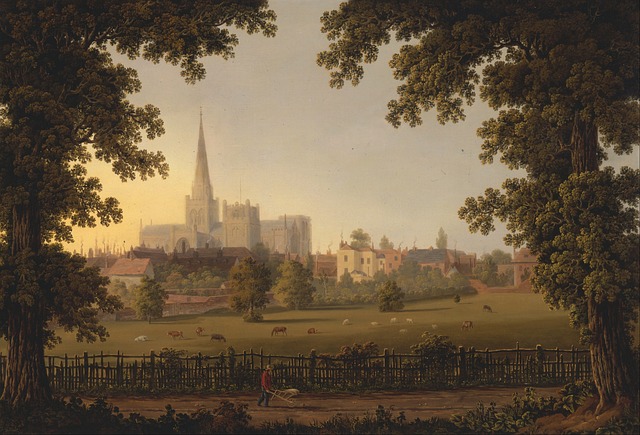
Integrating Nature and Recreation: Planning Sustainable Experiences
Parks, trails, and agritourism experiences offer a powerful synergy for communities worldwide. These natural amenities not only enhance quality of life but also drive economic growth through diverse revenue streams, particularly in rural areas. Successful integration requires thoughtful planning that balances ecological preservation with recreational accessibility. For instance, a well-designed network of trails can attract hikers, cyclists, and nature enthusiasts while minimizing environmental impact on sensitive ecosystems.
Sustainable agritourism takes this a step further by immersing visitors in agricultural landscapes. Farms and ranches can offer educational experiences, promote local food systems, and foster a deeper connection to the land—all while generating income from guest stays, guided tours, and farm-fresh products. Strategic placement of these attractions within scenic real estate naturally positions them as prime destinations for outdoor recreation and cultural exploration. According to a recent study, agritourism contributes over $1 billion annually to rural economies in the United States, underscoring its potential to revitalize declining agricultural communities.
Planning for integration involves comprehensive site assessments, community engagement, and innovative design strategies. Professionals should assess ecological vulnerability, consult with local stakeholders, and incorporate principles of conservation architecture. This holistic approach ensures that parks, trails, and agritourism ventures are not only enjoyable but also ecologically sound. For example, using native plants in landscape design promotes biodiversity while requiring less maintenance, thereby reducing a project’s environmental footprint.
To maximize the benefits, local governments and land managers should collaborate with developers, conservation groups, and community members. Collaborative planning facilitates knowledge sharing, fosters public ownership, and increases the likelihood of successful, sustainable outcomes. By integrating nature and recreation seamlessly, communities can create vibrant outdoor destinations that support both ecological health and economic vitality for generations to come.